
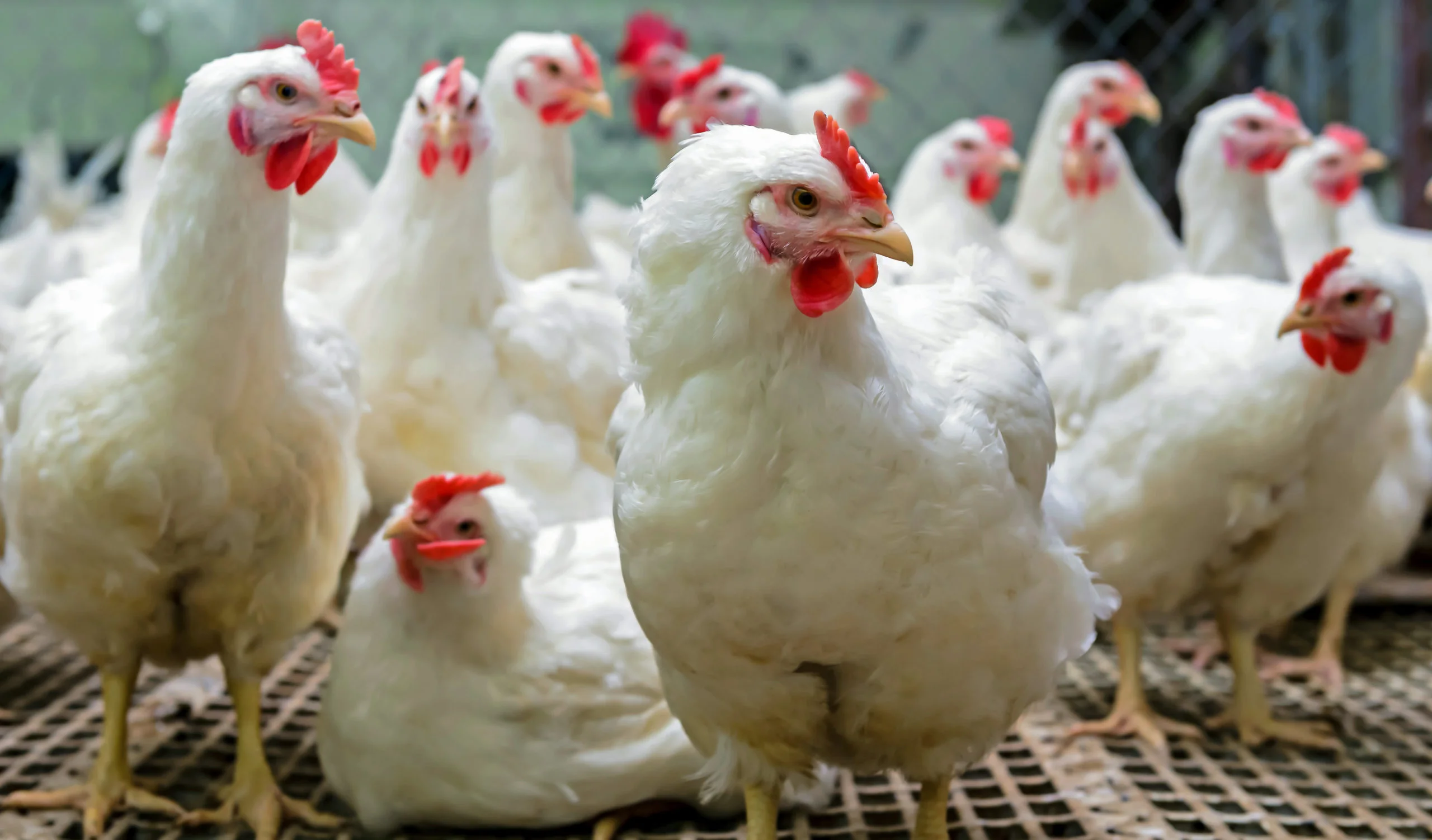
We studied the total tract apparent retention of N (TTAR of N), the AMEn content, and the standardized ileal digestibility of protein (SIDP) of 27 soybean meals (SBM) from Argentina (ARG), Brazil (BRA), and USA in broilers. The samples (n = 9 per origin), were randomly collected from European feed mills in 2024 and analyzed for chemical composition and protein quality indicators. From hatch to 14 d of age, broilers were fed a common commercial crumble diet based on corn, wheat, and SBM. From 15 to 20 d of age, they received a first set of experimental diets consisting of 65% of a basal diet based on corn and soy oil, and 35% of the SBM tested. From 21 to 26 d of age, all the birds received a second set of experimental diets that consisted of 53% of a N-free diet (based on dextrose and soy oil) and 47% of each of the same tested SBM as unique source of N. The TTAR of N of the diets were determined at both period. Additionally, the AMEn and SIDP of the SBM was determined at 20 and 26 d of age, respectively. Each treatment was replicated 6 times and the experimental unit was a cage with 6 broilers. Data were analyzed as a completely randomized design by ANOVA, with SBM origin as main effect. On 88% DM basis, the content of CP and ether extract of the SBM were, as an average, 46.2 and 1.93% for the ARG, 46.2 and 1.76% for the BRA, and 45.8 and 1.22% for the USA meals. From 15 to 20 d of age, broilers fed the USA SBM consumed more feed (82.9 vs. 80.3 and 80.7 g/d; P < 0.01) and grew faster (57.0 vs. 55.6 and 55.1 g/d; P < 0.05) than broilers fed the ARG or the BRA meals. Also, from 21 to 26 d of age, ADFI, ADG and feed conversion ratio were better for broilers fed the USA meals than for broilers fed the South American meals (P < 0.05). On 88% DM, the AMEn content was not affected by country of the origin of the SBM (2,410, 2,394, and 2,378 kcal/kg, for ARG, USA, and BRA meals, respectively). The SIDP of the SBM were 87.0, 86.2, and 85.5% for the USA, BRA and ARG meals, respectively, but the differences were not significant. At 20 d (62.8 vs. 60.1 and 60.8%; P < 0.01) and at 26 d (53.6 vs. 49.4 and 50.7%; P < 0.001) of age the TTAR of N was higher for the USA meals than for the ARG and BRA meals. In conclusion, despite the greater CP and ether extract content of the South American SBM, broilers fed these meals showed poorer growth performance and TTAR of N than the USA SBM, but no significant differences among soybean origins were observed for the AMEn content or SIDP. Consequently, data from proximal analysis may not be sufficient to determine the nutritional value of the SBM. It is advisable to control also the origin of the soybeans to optimize broiler performance and feed formulation cost.
Talegón, G., L. Aguirre, L. Cámara, R. Lázaro, A. García-Ruiz and G. Mateos. 2025. Influence of the origin of the soybean meal on the metabolizable energy content and ileal digestibility of crude protein in broilers. 2025 Poultry Science Association Annual Meeting, Abstract 91