
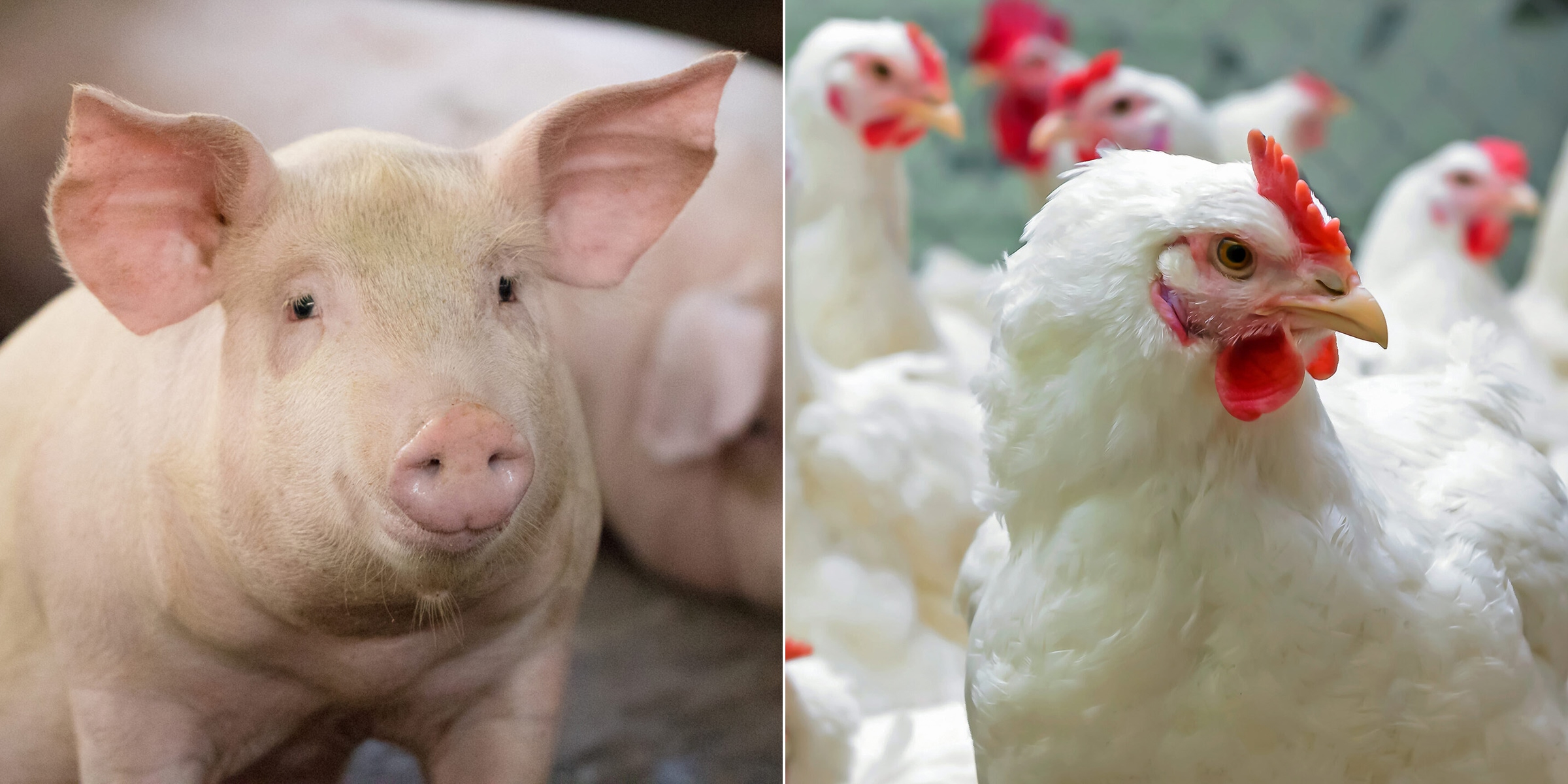
In current practice, dietary fiber (DF) is not properly accounted for when formulating monogastric diets. This is because historically only anti-nutritional effects of DF have been considered, and inaccurate DF values are commonly still used. However, recent research has presented the advantageous effects of DF on feed digestion, health and behavior. Despite this, DF remains one of the most challenging nutritional components to define, analyze, and apply effectively. Our research in pigs has highlighted the importance of understanding fiber type, source, and context, and matching this to the animal’s physiological stage and production environment. Poultry nutritionists could potentially use these insights to advance use and study of DF to support productivity, animal welfare, and sustainability in poultry systems. For example, insoluble DF can act as a nutrient diluent and physical barrier to enzymes, but can also maintain gastrointestinal motility and digesta flow, and stimulate gizzard and proventriculus function in poultry. Feeding insoluble DF has also been shown to reduce feather pecking and cannibalism in laying hens, induce satiety in feed-restricted broiler breeders, and improve nutrient digestibility and performance in broilers. Soluble DF has a high water-holding capacity, increasing digesta viscosity when in excess, but it can also be fermented by beneficial microbiota, resulting in production of valuable short chain fatty acids and improved microbiota composition. In pigs, dietary inclusion of fermentable DF sources has been shown to increase satiety, improve insulin sensitivity, reduce lameness-related mortality in pen-housed sows, and reduce negative hunger behaviors during gestation. Increasing DF intake has also been shown to alleviate constipation, shorten farrowing duration and reduce stillborns and pre-weaning mortality during the peripartum period, and enhance milk yield during lactation. Similarly, in both laying hens and broilers, improved bird performance has been observed because of supplementing low DF diets with fermentable DF, attributed to modulated gut microbiota. However, DF is not universally beneficial. For example, recent U.S. studies indicated that including fiber-rich ingredients in nursery pig diets under enteric disease pressure did not consistently improve performance, fecal scores, or gut health. Likewise, a recent review of broiler breeder responses to DF revealed variable responses, with cases of poorer performance or no response when feeding fiber-rich diets. Collectively, a cross-species approach is needed to better understand and optimize DF utilization in monogastric diets and is the focus of this presentation.
Petry, A. and N. Morgan. 2025. From pigs to poultry: the evolution of fiber in monogastric nutrition. 2025 Poultry Science Association Annual Meeting, Abstract 574S.