
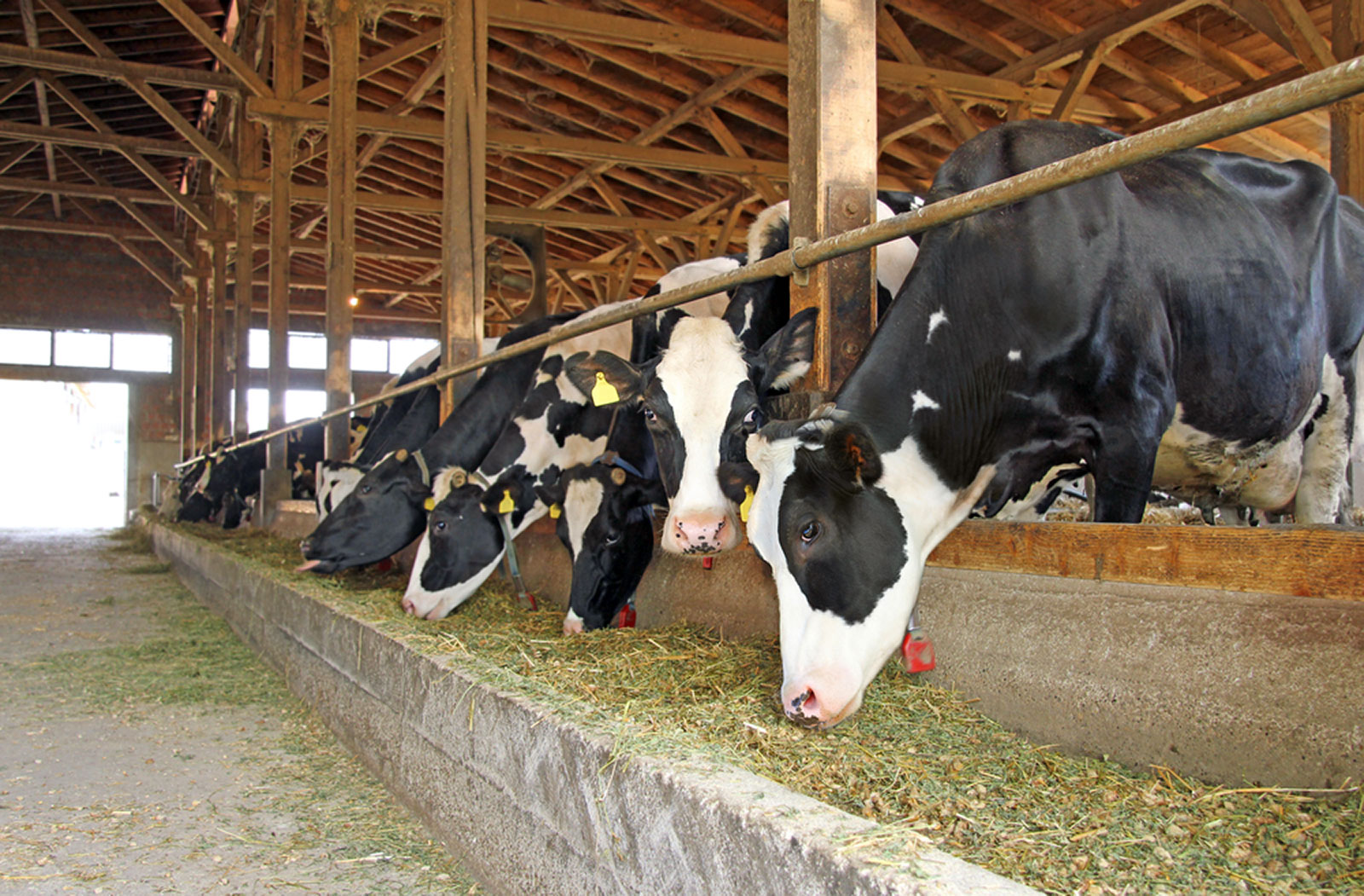
High oleic soybeans were originally developed for food manufacturers looking for a versatile cooking oil with a neutral flavor, high heat stability and longer shelf life. Today, their fastest-growing market is dairy cattle feed. With roughly 1 million HOSB acres planted in 2025 and more than half of production designated for dairy rations, researchers and industry leaders believe high oleic soybeans could become the next major value-added crop opportunity.
Key Takeaways
- High oleic soybeans (HOSBs) have longer lasting cooking oil and whole roasted soybeans can be used in dairy feed.
- Farmers in 16 states (mainly Midwestern) are currently growing HOSBs, with over 1 million acres planted in 2025 and an estimated 5 million-7 million acres forecasted in the next decade.
- Soybean farmers earn a 75 cent–$1.25 per bushel premium on HOSBs above traditional varieties. HOSB production costs per acre are the same as traditional varieties.
- Dairy farmers can reduce feed costs by 27–65 cents per cow per lactating day by incorporating high oleic soybeans into feed regimens because of the increase in milk fat yields.
- The United Soybean Board and Michigan State University are driving research efforts on the potential value proposition and performance metrics for high oleic soybeans.
Read the full article here.