
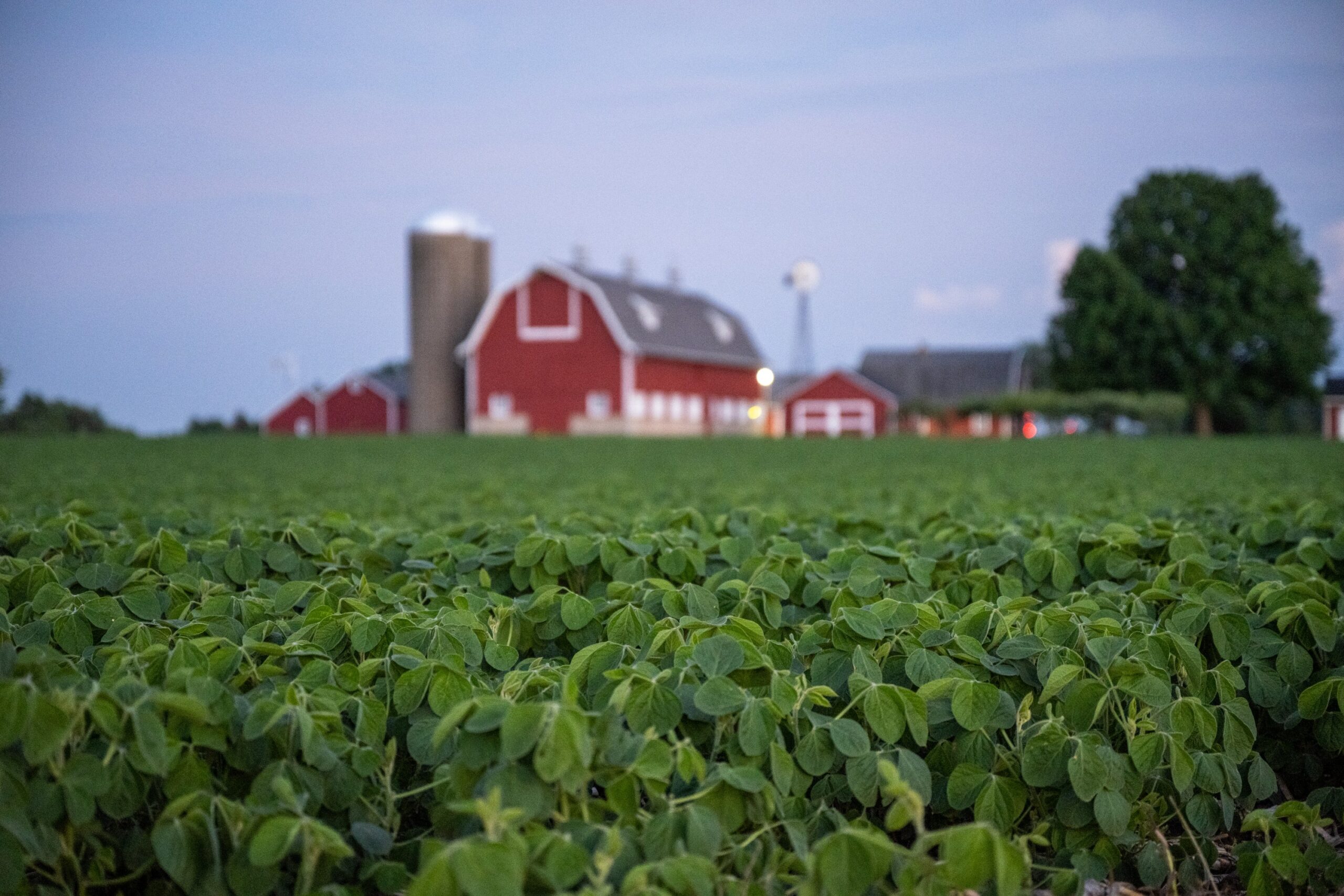
High-oleic soybeans are helping this Wisconsin dairy turn homegrown feed into lower costs, higher butterfat and greater control over its operation.
Today, the Elbe family milks about 2,900 cows, manages roughly 3,200 head and grows some of the 1,400 acres of Pioneer’s Plenish high-oleic soybeans they feed, partnering with neighboring farmers to supply the rest. They’ve built on-farm storage, installed a roasting system and incorporated roasted high-oleic soybeans into the lactating cow ration.
By roasting and feeding high-oleic soybeans grown on the farm, the dairy could replace purchased fat products and portions of expensive bypass protein while utilizing homegrown feed.
Introducing soybeans, along with rye cover crops, has given them a broader rotation window and helped reduce the need for aggressive tillage. The added diversity in rooting structure and residue has improved how soil behaves through both wet and dry periods, while also helping protect fields during shoulder seasons when ground would otherwise be left bare.
Learn more by reading the full article here.