
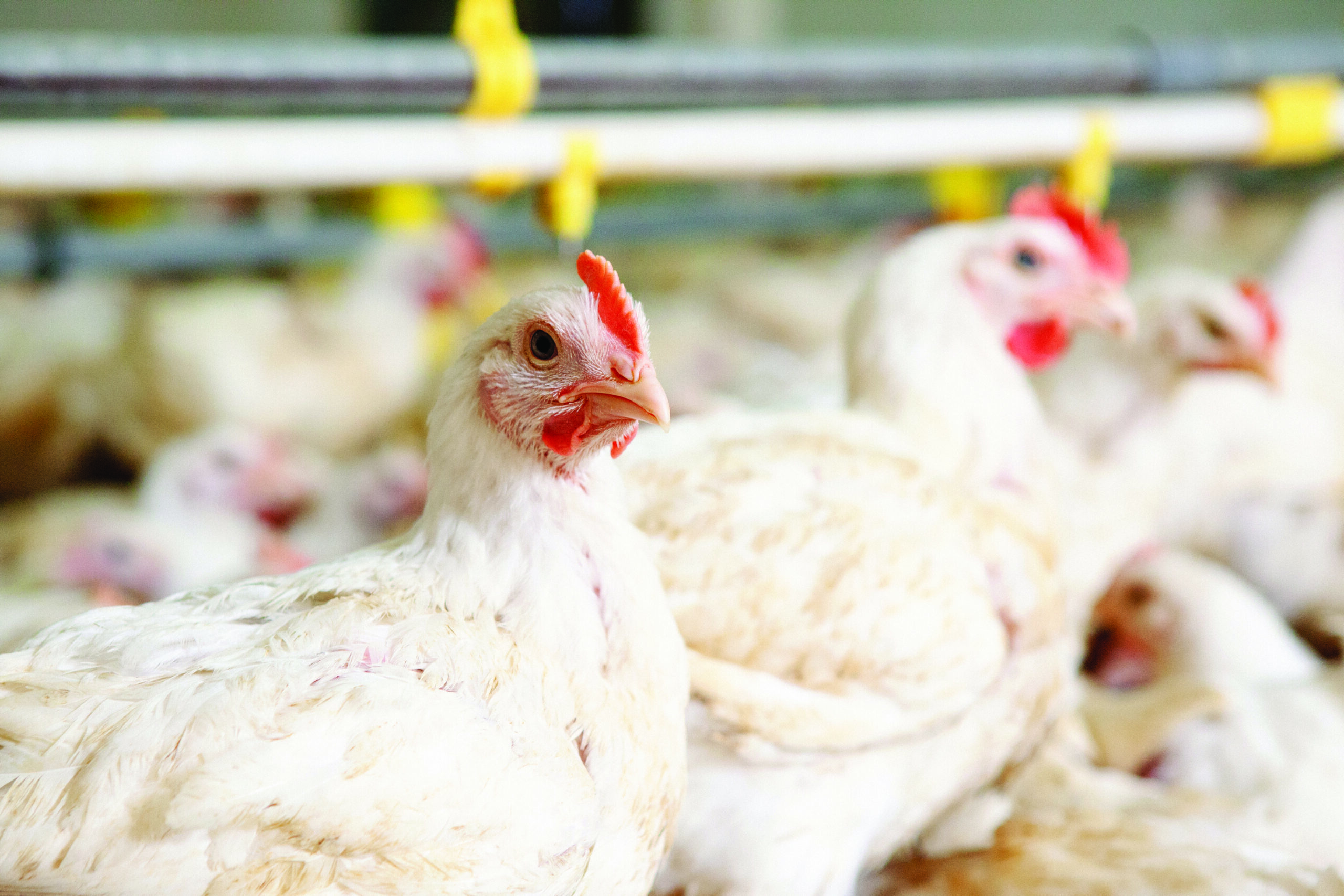
Gut inflammation in poultry, driven by pathogens, stress, or dietary imbalances, significantly impacts overall health and production efficiency. Proper nutrition programming can play a critical role in maintaining intestinal homeostasis. Dietary fiber was traditionally considered an anti-nutritional factor due to its potential to reduce nutrient digestibility in poultry. However, it is now recognized as a functional component for its pivotal role in modulating gut physiology, microbial composition, and inflammatory responses. This presentation explores the multifaceted role of fiber in mitigating inflammatory responses within the poultry gastrointestinal tract. The impact of fiber on gut inflammation in poultry is highly dependent on its physicochemical properties, including solubility, fermentability, and structural integrity. Different fiber types exert distinct effects through various mechanisms. Soluble fibers undergo microbial fermentation to yield short-chain fatty acids (SCFAs), primarily acetate, propionate, and butyrate. These SCFAs exhibit potent anti-inflammatory properties by enhancing gut barrier integrity, modulating immune responses, and reducing oxidative stress. Insoluble fibers, conversely, influence gut motility and microbial diversity, reducing pathogen exposure and enhancing gut morphology, and may also contribute to mechanical irritation, excessive mucus secretion, and inflammatory cytokine production based on fiber source, structure, and inclusion level. Also, fiber enhances gut barrier function by upregulating tight junction proteins and mucus production, thus limiting pathogen translocation. The dynamic interplay between fiber composition and the gut microbiome is a critical determinant of inflammatory homeostasis in poultry. Fiber influences gut microbiota composition, promoting beneficial bacteria while suppressing pathogenic populations and reducing inflammation-associated dysbiosis. However, an imbalance in fiber intake or improper fiber source selection can lead to disrupted gut microbiota, increased gut permeability, and heightened immune activation, predisposing chickens to enteric disorders. Thus, a balanced approach to fiber inclusion, leveraging both soluble and insoluble fractions in appropriate ratios, is essential for optimizing gut health, minimizing inflammation-related performance losses, and reducing reliance on antimicrobial interventions. Future research should focus on identifying the optimal fiber sources and inclusion levels that maximize gut health benefits while mitigating potential pro-inflammatory effects.
Jha, R. 2025. The role of fiber in gut inflammation in poultry. 2025 Poultry Science Association Annual Meeting, Abstract 555S